What Are Website Cookies?
A useful guide to what are website cookies should help readers understand both the rule and the behavior behind the rule. That is where consent topics become genuinely practical instead of sounding like recycled compliance copy.
How Cookies Work
If your team is trying to get what are website cookies under control without adding a heavyweight privacy stack, DataShyre can help. DataShyre focuses on consent and preference management that are easier to implement, easier to operate, and easier to trust on a live site. Start with DataShyre’s consent and preference management or book a demo.
The practical review for what are website cookies starts when you look past the banner copy and test the live behavior. That is usually where teams find the real gaps: tags firing too early, weak refusal flows, and settings that drift after routine site changes.
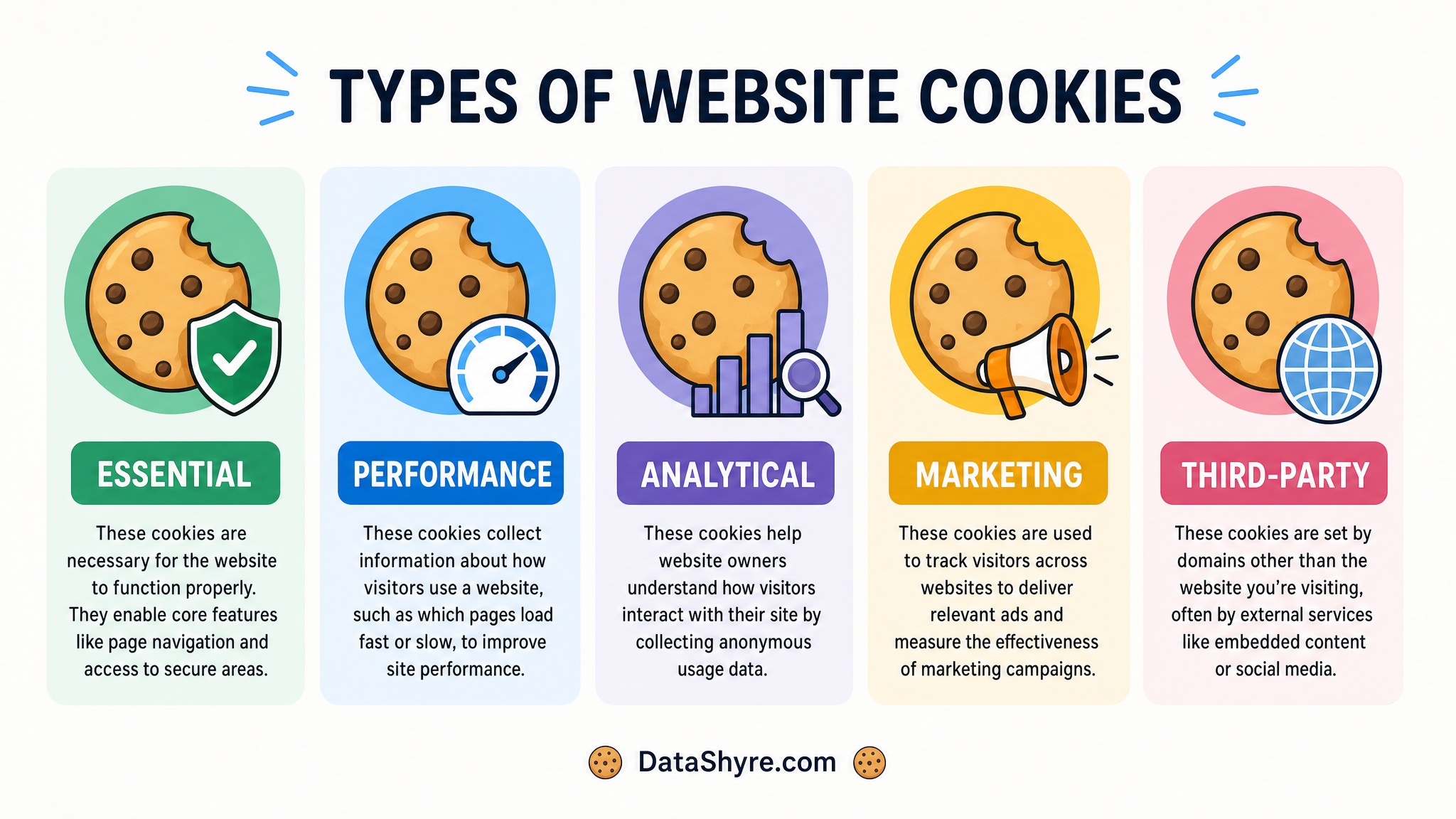
- Essential cookies – Required for core site functionality (e.g., login, shopping carts)
- Performance cookies – Help improve site speed and reliability
- Analytical cookies – Track how users interact with your site for analytics
- Marketing cookies – Used for targeted advertising and personalized content
- Third-party cookies – Placed by other domains (e.g., ads, social media) to track cross-site behavior
Why Cookies Matter
Benefits
- Personalization – Remember your preferences, language, and shopping cart items
- Security – Authenticate users and protect account access
- Performance – Enable features like auto-login and fast page loading
Privacy Considerations
While cookies enhance user experience, they can also track your activity across sites. Understanding what’s being collected helps you make informed choices about your digital privacy.
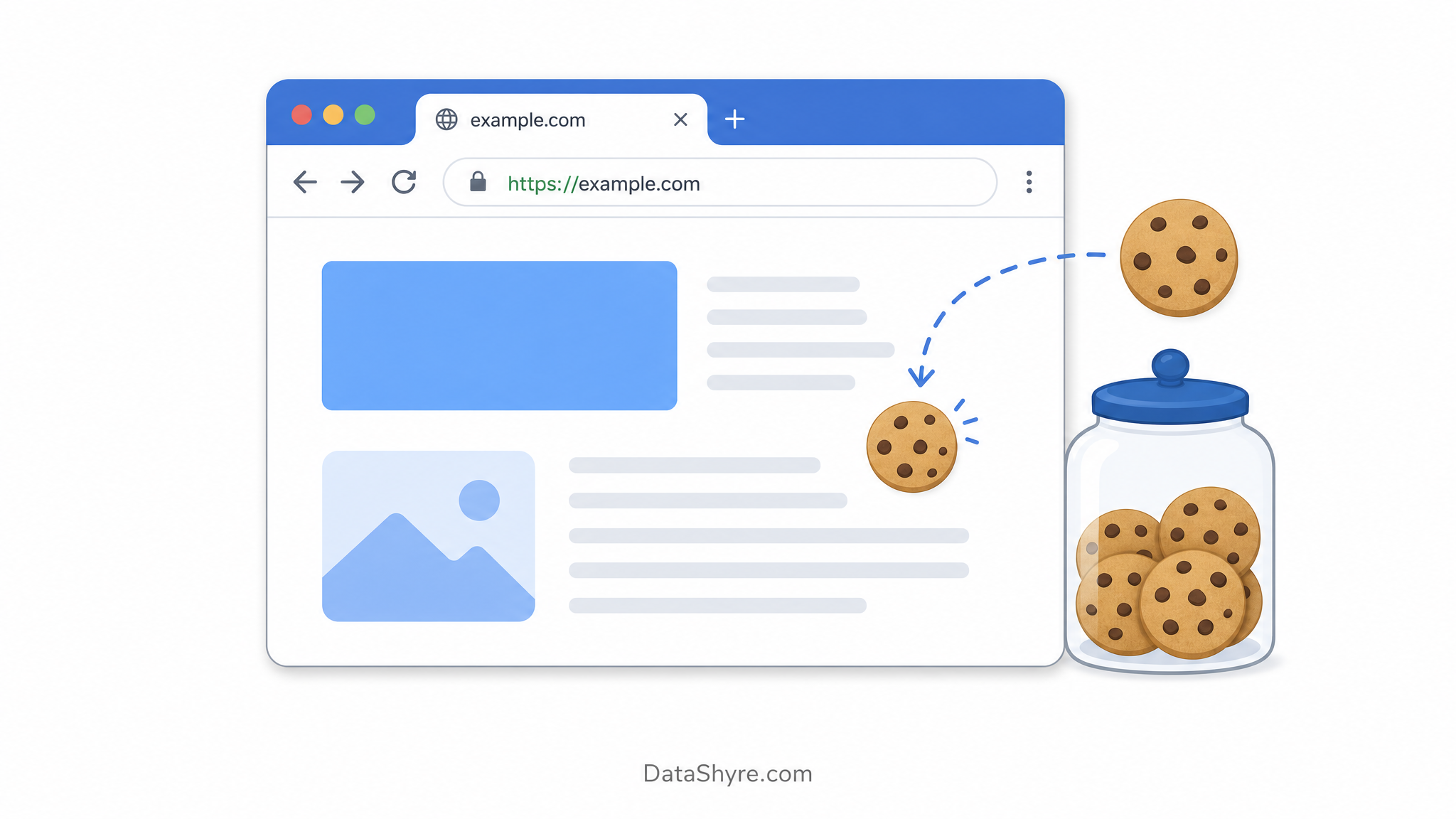
Managing Cookies on Your Site
Seen clearly, what are website cookies is less about a pop-up and more about whether the site behaves honestly after the visitor makes a choice.
- Be transparent – Clearly disclose cookie usage in your privacy policy
- Provide controls – Offer users easy options to accept, reject, or manage cookies
- Minimize unnecessary tracking – Only collect what’s essential for functionality
- Secure storage – Ensure cookies are encrypted and properly signed
Quick Checklist
- [ ] Identify all cookie types used
- [ ] Review third-party cookie providers
- [ ] Implement a cookie consent banner
- [ ] Update privacy policy with cookie details
- [ ] Test cookie behavior across browsers
Related Resources
Understanding cookies is the first step toward building a more transparent and trustworthy website.